Introduction
Sea freight offers two main shipping options: Full Container Load (FCL) and Less than Container Load (LCL). Choosing the right option depends on shipment volume, budget, transit time and logistics requirements.
This guide explains the differences between FCL and LCL shipping to help businesses select the most suitable international sea freight solution.
What is FCL?
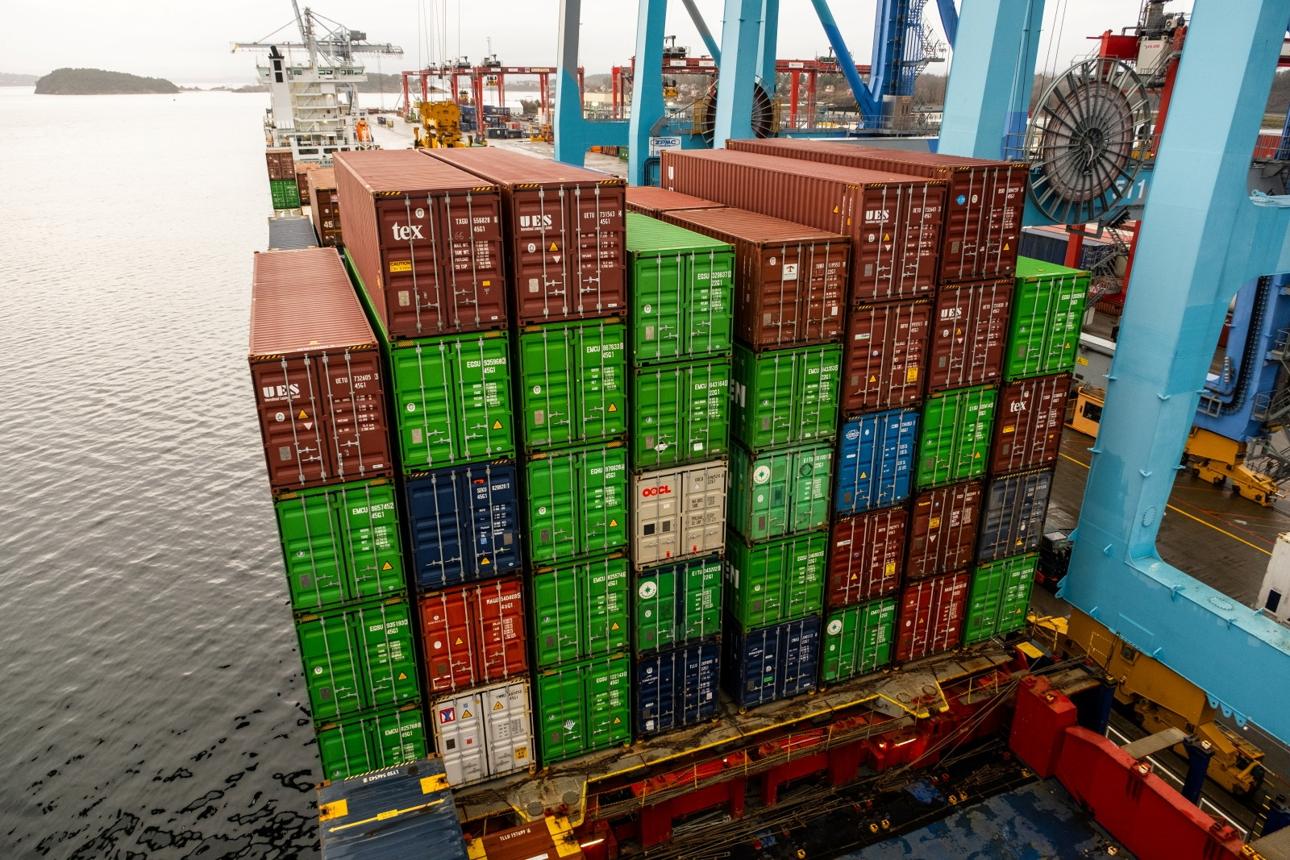
Full Container Load, or FCL, means a shipment occupies an entire shipping container. The container is reserved for one shipper, whether it is completely full or not.
FCL is generally recommended for larger shipments, high-volume cargo or goods requiring reduced handling during transport.
- Dedicated container: the container is used by one shipper only.
- Reduced handling: cargo is handled less often during transport.
- Better security: goods are not mixed with other shipments.
- Efficient port handling: FCL can often move faster than consolidated cargo.
Expert Tip
Even if your container is not completely full, FCL can sometimes be more cost-effective than LCL depending on cargo volume, destination and handling requirements.
What is LCL?
Less than Container Load, or LCL, allows several shippers to share the same container. Each customer pays only for the space occupied by their cargo.
LCL is ideal for smaller shipments that do not justify booking a full container. It provides flexibility for businesses shipping lower volumes internationally.
FCL vs LCL: key differences
Both options are useful depending on shipment size, urgency, budget and cargo sensitivity.
- Cost: LCL is usually cheaper for small shipments.
- Transit time: FCL is often faster because it requires less consolidation.
- Security: FCL reduces handling and lowers the risk of damage.
- Flexibility: LCL is suitable for smaller or occasional shipments.
Key Takeaways
- FCL gives one shipper access to an entire container.
- LCL allows several shipments to share the same container.
- FCL is often better for larger or more sensitive cargo.
- LCL is usually more economical for smaller shipments.
FAQ
Which option is cheaper?
LCL is generally cheaper for small shipments, while FCL becomes more cost-effective when shipment volume increases.
Is FCL faster than LCL?
In many cases, yes. FCL usually requires less consolidation and less handling at origin and destination.
Can 3C Express organise both FCL and LCL shipments?
Yes. 3C Express offers both FCL and LCL sea freight solutions depending on your shipment size, destination and logistics needs.
Need help choosing between FCL and LCL?
Our logistics specialists can help you select the most efficient sea freight solution for your cargo.
Request a Quote